
PRECISION AQUATIC TELEMETRY
Comprehensive Aquarium Water Parameter Tracker & Chemistry Guides
Achieving a stable, thriving aquatic environment requires a profound understanding of the biological and chemical processes occurring beneath the surface. At FishWaterLog, our methodology bridges the gap between academic limnology and practical aquascaping. These resources are engineered to help aquarists track essential parameters, manage the complexities of the nitrogen cycle, and establish resilient biological filtration without relying on guesswork. By analyzing the nuanced interactions between carbonate buffering capacity and pH stability, aquarists can prevent systemic crashes and foster pristine aquatic ecosystems.
Empowering aquarists with actionable water chemistry guides, empirical dosing tools, and evidence-based aquatic husbandry.

Advanced Parameter Tracking Engineered for Aquarists
Data-driven chemical intelligence replacing traditional guesswork and unreliable paper logs.
Real-Time Chemical Drift Alerts
⚡ Dynamic Telemetry Alert
Monitor critical Ammonia (NH3/NH4+), Nitrite (NO2–), Nitrate (NO3–), pH, and Salinity parameters with continuous drift analysis. When biological thresholds are breached, instant automated notifications isolate chemical anomalies before ecosystem collapse occurs.
Custom Target Ranges for Freshwater & Reef Systems
🎯 Tailored Biological Thresholds
Set exact water quality benchmarks customized to your tank’s biological volume, livestock sensitivity, and filtration capacity. From low-TDS Amazonian aquascapes to high-salinity marine reef setups, our predictive logic dynamically recalibrates safety margins.
Science & Protection Core
High-clarity low-iron rimless glass aquariums provide an uninhibited view of aquatic life while serving as the baseline for precise optical and chemical parameter measurements.
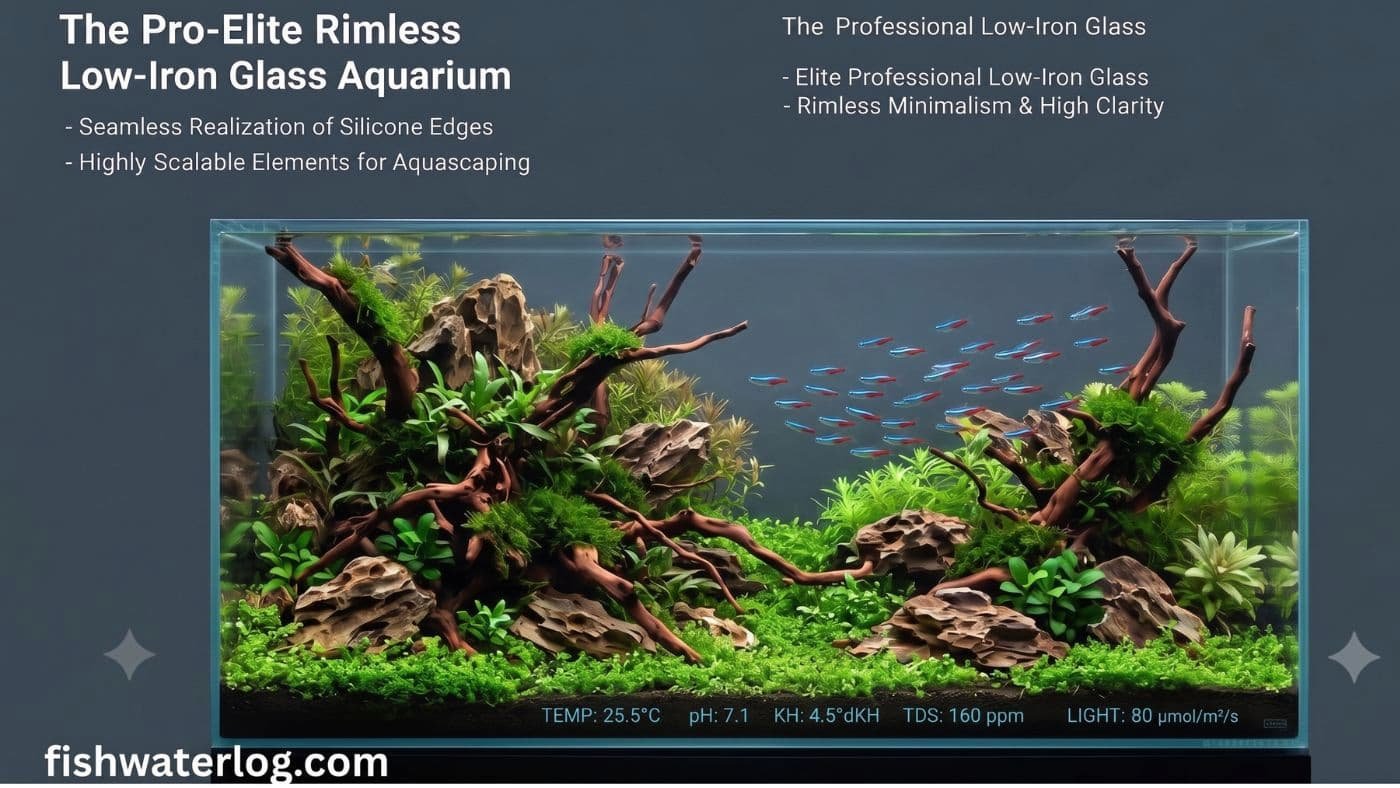
How FishWaterLog Protects Your Aquatic Ecosystem
FishWaterLog bridges academic aquatic science with practical tank management, empowering aquarists to maintain stable biological parameters through data-driven tracking. By mapping localized chemical shifts—such as Carbonate Hardness (KH) depletion and Carbon Dioxide (CO₂) uptake—the platform identifies biological stressors before they escalate into toxic algae outbreaks or systemic disease. Aquarists can log maintenance, track historical trends, and leverage diagnostic modeling to build self-sustaining, resilient aquatic environments.
Mastering Maintenance: Executing regular routines for changing water in a fish tank is essential for exporting accumulated nitrates and replenishing trace elements. To streamline this process without bucket manual labor, modern aquarists utilize an automated aquarium water changer device or a specialized inline fish tank water changer hooked directly to tap source connections.
Aquascaping & Ecosystem Profiles
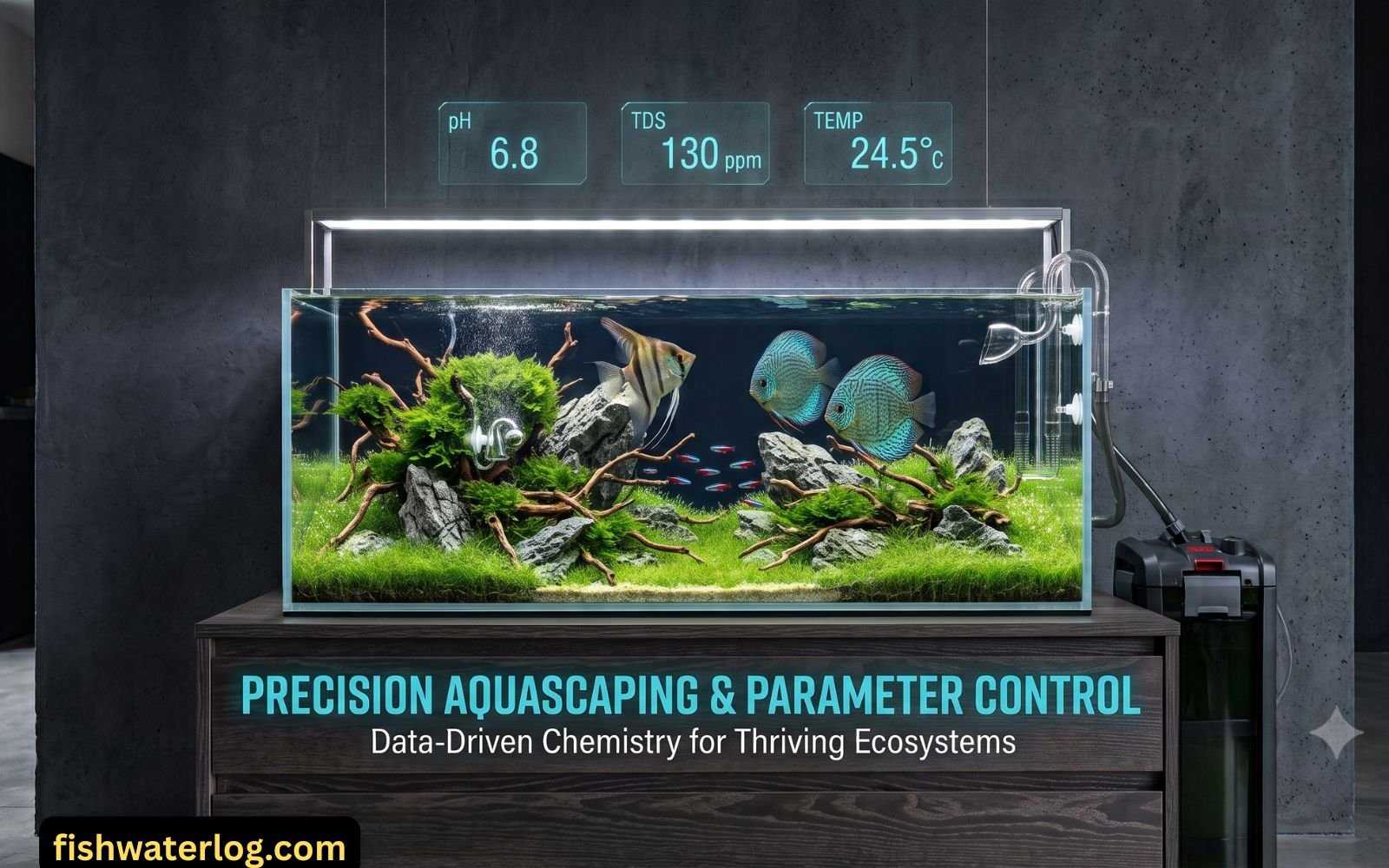
Precision Care Across All Aquatic Systems
- Freshwater Planted Aquascapes: Fine-tune macro/micro-nutrient dosing schedules (NO3–, PO43-, Fe), track photosynthetic pH swings, and prevent staghorn or BBA algae outbreaks.
- Marine Reef Aquaria: Balance Carbonate Hardness (KH), Calcium (Ca2+), and Magnesium (Mg2+) consumption rates to accelerate SPS/LPS stony coral calcification.
- Brackish & High-Load Setups: Monitor ionic transition zones and total ammonia toxicity (TAN) relative to live temperature and pH shifts.
- Baseline Water Choices:
- Using RO water for aquarium systems provides the ultimate pure baseline, removing up to 99% of heavy metals and silicates for sensitive reef tanks.
- For nano setups, utilizing distilled water for aquarium preparation offers a consistent, mineral-free solution that can be precisely remineralized with GH/KH buffers.
Recent Care Guides and Maintenance Protocols
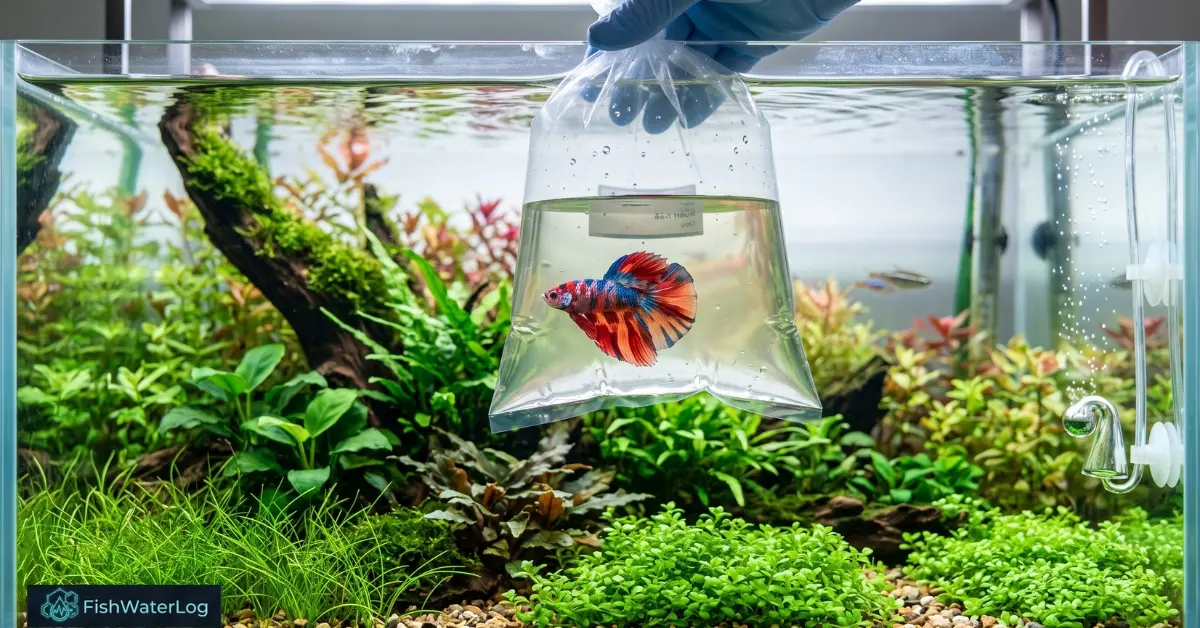
Buy Live Fish Online Safely: Complete DOA & Transport Guide
The global ornamental fish trade has undergone a massive structural shift over the last two decades. Historically, acquiring live fish was strictly limited by the regional footprint of local pet stores, restricting aquarists from accessing rare, vibrant, or specialized species. Today, the rapid rise of the reputable online fish store has completely transformed the hobby,…
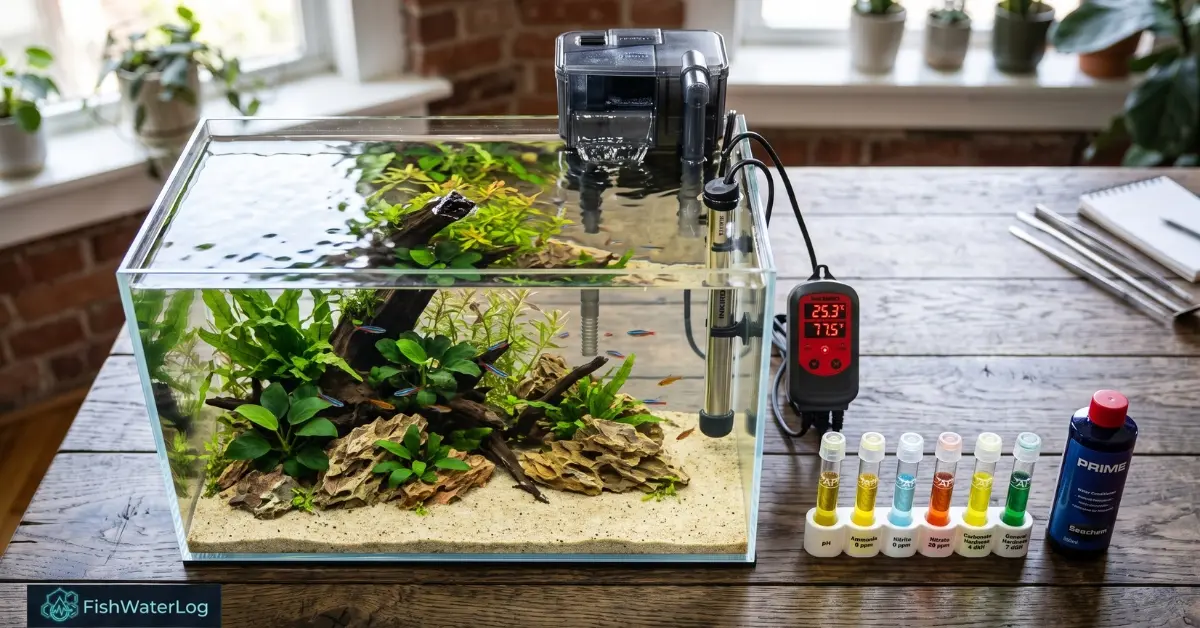
Fish Tank Supplies for Beginners: Freshwater Checklist
The successful transition from a casual aquatic observer to an advanced aquarist requires a fundamental paradigm shift. Rather than viewing an aquarium merely as a decorative receptacle holding water, the system must be approached as a highly controlled, enclosed aquatic life-support matrix. Sourcing reliable fish supplies goes far beyond aesthetic enhancements; it involves engineering an…
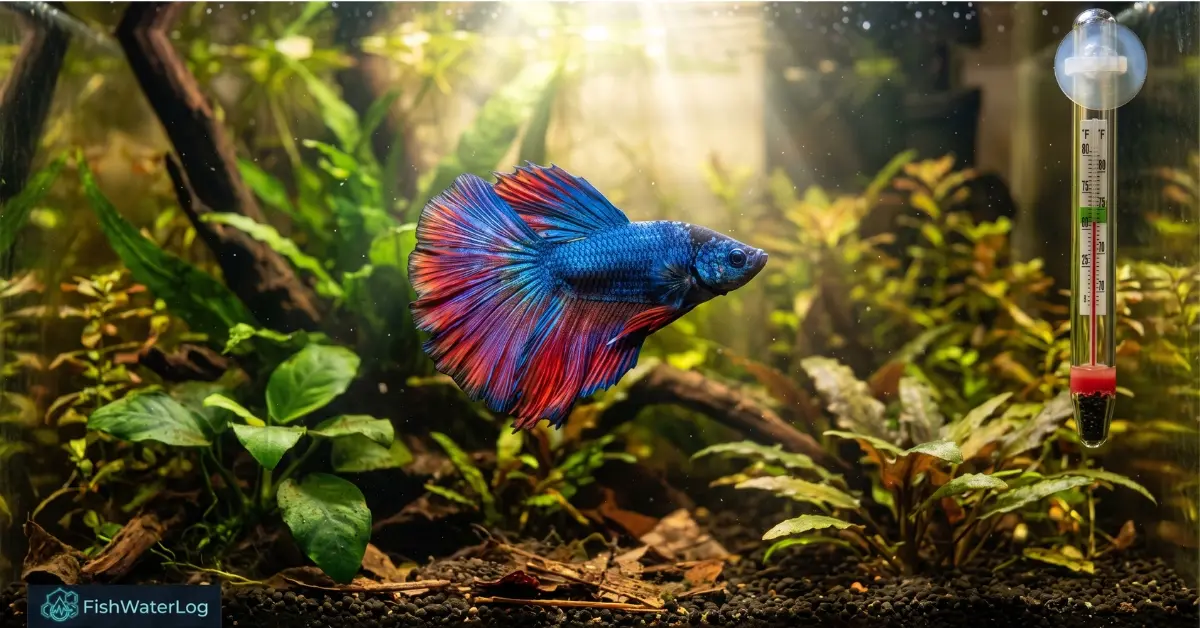
Betta Fish Water Parameters (2026): Ideal pH, GH & Setup
The global ornamental fish trade has long perpetuated a widespread biological fallacy: the assertion that Betta splendens—commonly known as the Siamese fighting fish—can thrive in unheated, unfiltered novelty bowls. This pervasive industry misinformation fundamentally misunderstands the evolutionary history, genetic adaptations, and precise physiological requirements of the species. To establish the ideal betta fish water parameters…
Frequently Asked Questions (FAQ)
Q: What key chemical parameters can I track with FishWaterLog?
A: You can log essential biological parameters including Total Ammonia (NH3/NH4+), Nitrite (NO2–), Nitrate (NO3–), Carbonate Hardness (KH), General Hardness (GH), Phosphate (PO43-), Calcium (Ca2+), Magnesium (Mg2+), Dissolved Oxygen (DO), and pH swings.
Q: What is the recommended water change routine for ecosystem stability?
A: Modern aquatic husbandry dictates partial water changes of 10% to 50% weekly, depending on bio-load and nitrate accumulation. Avoid total 100% water exchanges to prevent severe osmotic shock and protect beneficial nitrifying bacterial colonies.
Q: How should I safely adjust pH levels in my tank?
A: Avoid adding strong liquid acids directly, as this causes violent pH swings and potential crashes. Adjust pH gradually using natural buffers like driftwood, peat moss, or crushed limestone to maintain stable Carbonate Hardness (KH) buffering capacity.
Formulated by Experienced Aquatic Biologists
Every calculator, parameter threshold, and care guide published on FishWaterLog undergoes rigorous peer review by experienced aquascapers and aquatic researchers. Relying on established limnology literature and practical tank management, the platform ensures all diagnostic data is empirically tested and safe for real-world aquatic husbandry. Review our comprehensive testing methodology and editorial standards to understand the science behind our recommendations.
Have questions about stabilizing your aquarium water chemistry? Reach out to our team via our Contact Us page for technical guidance.